
Begin with the busiest days
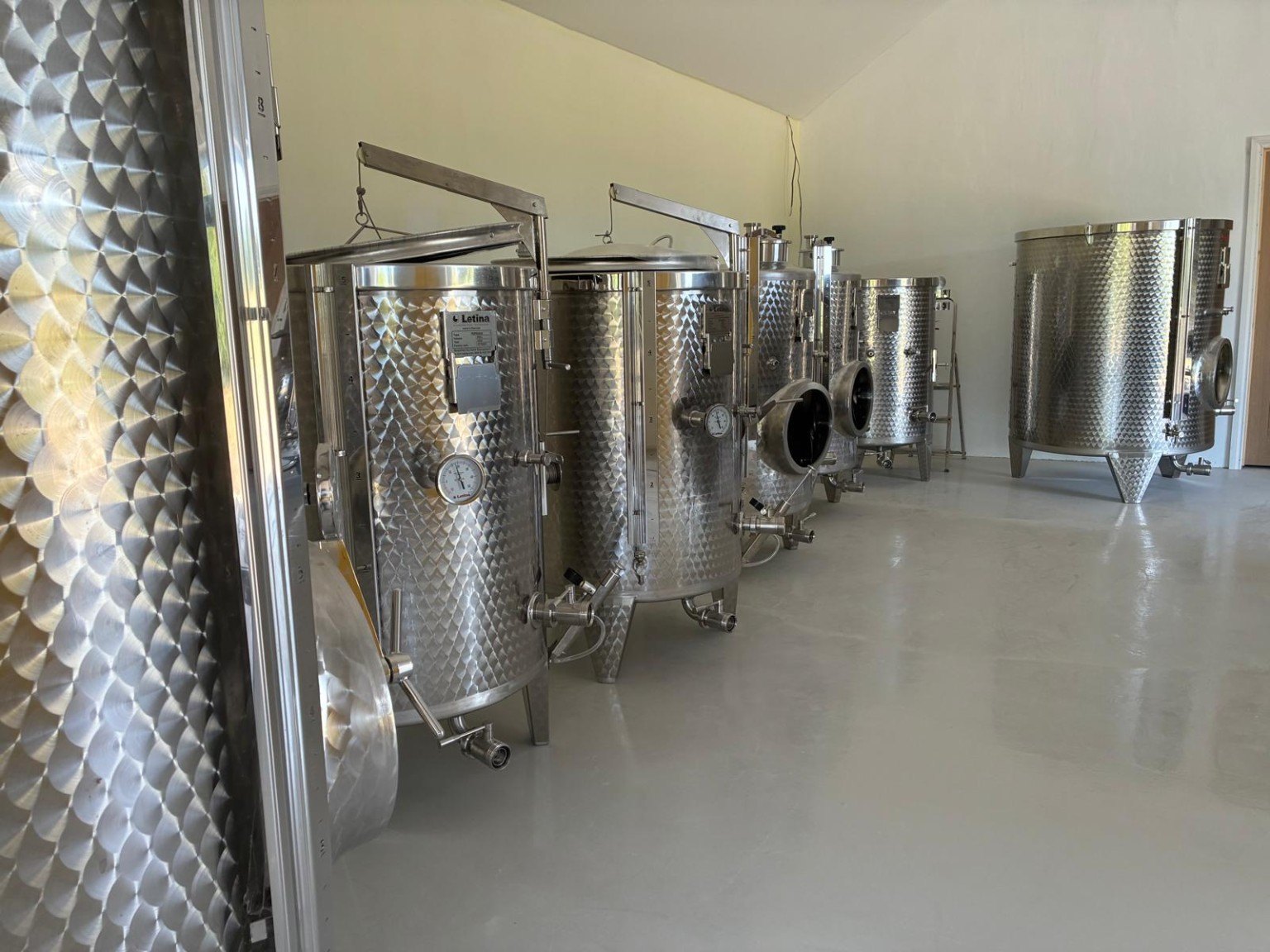
Annual bottle targets help describe scale, but a winery has to work on the busiest days of harvest. Fruit arrival, processing time, vessel availability and staffing need to be considered together. A capacity plan becomes useful when it describes those peaks, rather than only the annual total.
Follow the work through the space
Walk through the journey from fruit reception to finished wine. Where will fruit wait? How will equipment be cleaned? Can a tank be accessed while another task is under way? These practical questions often reveal constraints that an equipment list alone misses.
Let wine style shape capability
Still white, red, rosé and traditional-method sparkling wine place different demands on the cellar. Fermentation, maturation, storage and finishing requirements should follow the intended portfolio. The useful equipment brief starts with what the winery needs to do.
Phase investment deliberately
An estate may not need all its eventual capacity on day one. It does need a clear distinction between essential capability, shared resources and future expansion. Phasing works best when the first stage remains operationally complete and the next stage has somewhere sensible to go.
Test the plan before the harvest
A simple production walk-through can expose competing demands on equipment, space and people. Testing the sequence early gives the team time to adjust. A good winery plan is one the team can explain and operate, as well as one that fits the budget.