
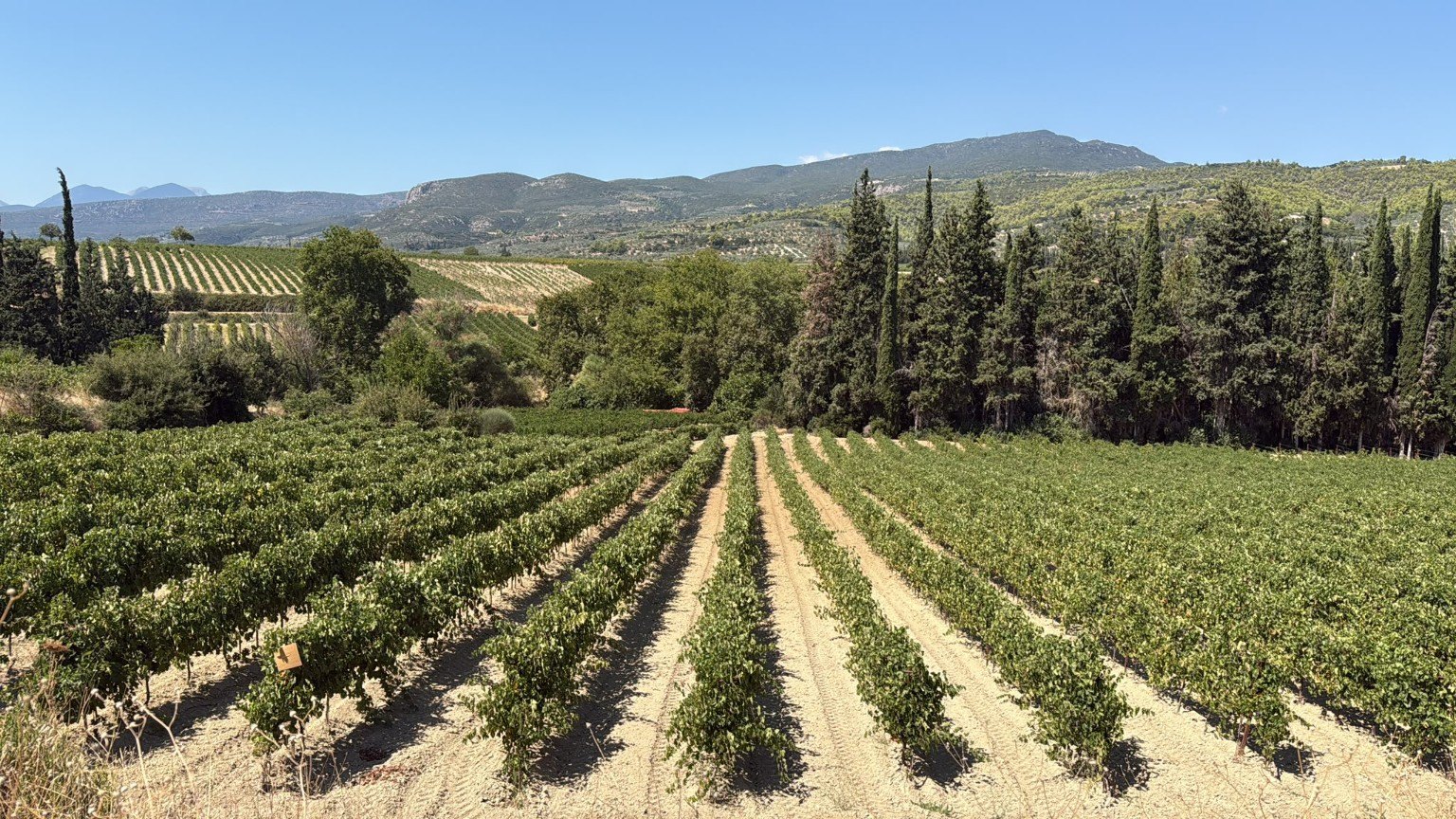
Start with the wine
Planting is a long-term commitment, so the brief deserves to begin before the planting plan. What kind of wine should the vineyard support? What quality ambition, production model and customer does that imply? These questions do not predict every future vintage. They give the early decisions a purpose.
Read the site in context
A site assessment should identify both opportunity and constraint. The useful question is not simply whether vines can grow, but how a particular site might contribute to the proposed project. Climate, soils, exposure, access and operational requirements all sit within that wider conversation.
Connect establishment with operations
Variety, clone, rootstock, spacing and layout are connected decisions. They influence not only the fruit, but also the way the vineyard can be managed. A plan that looks attractive on paper still needs to work for the people, machinery and resources that will maintain it.
Keep the cellar in the brief
The intended wine creates demands beyond the vineyard. Picking sequence, processing capacity and fruit handling should be considered early. If the vineyard and winery are planned separately, a production constraint can become visible only when the first substantial crop arrives.
Make the next decision clear
A useful feasibility stage should end with clear priorities: what is known, what needs further investigation, and which decisions follow. The goal is to give the project a sound basis for its next commitment. A thoughtful brief cannot remove uncertainty, but it can make uncertainty easier to manage.